Address
304 North Cardinal
St. Dorchester Center, MA 02124
Work Hours
Monday to Friday: 7AM - 7PM
Weekend: 10AM - 5PM
Address
304 North Cardinal
St. Dorchester Center, MA 02124
Work Hours
Monday to Friday: 7AM - 7PM
Weekend: 10AM - 5PM
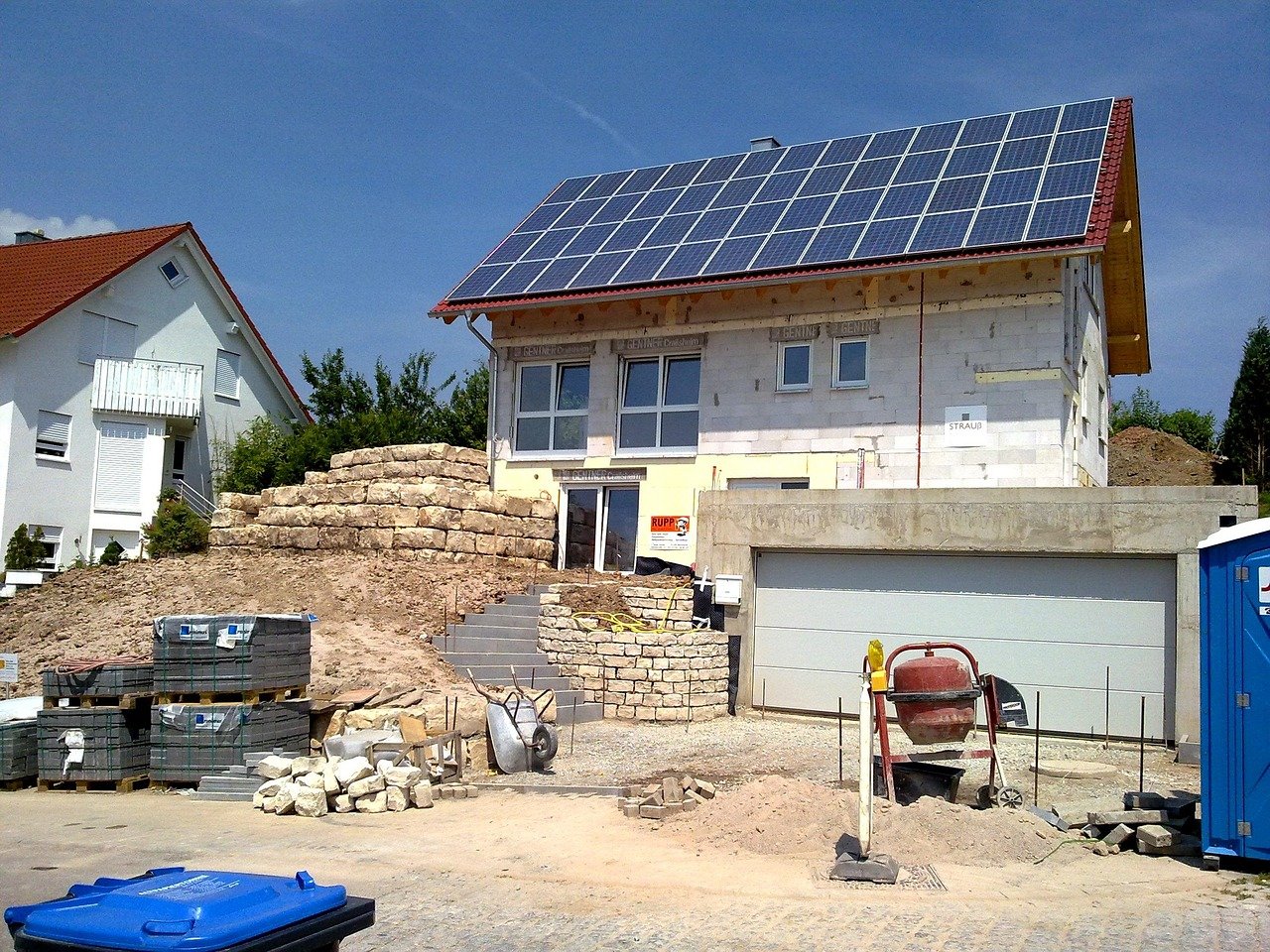
Australia is one of the world’s leading solar energy markets, and the pace of change is accelerating. By 2026, solar power will no longer be just a way to reduce electricity bills—it will be the foundation of a smarter, more decentralized energy system.
With policy shifts, rapid technology advancement, and growing electrification of transport and industry, understanding where Australia’s solar market is heading is critical for both homeowners and businesses.
This article explores key trends, policy directions, and technology developments shaping solar energy in Australia through 2026.
Australia has one of the highest rooftop solar adoption rates globally. Millions of households and businesses already rely on solar to offset rising electricity costs.
Current market characteristics include:
These factors are driving the next phase of solar adoption—integrated energy systems rather than standalone solar installations.
Battery storage is rapidly becoming a standard part of new solar installations. As electricity prices remain volatile, storing solar energy for later use provides greater financial certainty.
As EV ownership grows, solar systems are increasingly designed to support home and commercial EV charging, maximizing clean energy use for transportation.
Advanced inverters, energy management software, and AI-driven controls are enabling smarter decisions about when to store, use, or export electricity.
Homeowners and businesses are demanding systems that can grow with their energy needs—adding batteries, chargers, or capacity over time.
Government policies continue to influence solar adoption, even as incentives evolve.
Key policy considerations include:
By 2026, policies are expected to favor systems that support grid resilience, such as solar paired with storage and smart inverters.
Technological innovation is a major driver of solar’s next phase.
Notable developments include:
Together, these technologies are enabling fully integrated renewable energy ecosystems.
For Australian businesses, solar energy is becoming a strategic investment rather than a sustainability add-on.
By 2026, more businesses are expected to:
Solar is no longer just about cost savings—it’s about long-term resilience.
Despite strong growth, challenges remain:
These challenges are accelerating demand for experienced solution providers who can deliver compliant, future-ready systems.
For energy users in Australia, the message is clear:
Those who invest strategically today will benefit most as the energy landscape evolves.
By 2026, solar energy in Australia will be defined by integration, intelligence, and resilience. The future belongs to systems that combine solar panels, battery storage, hybrid inverters, and EV charging into a unified solution.
Understanding these trends now allows homeowners and businesses to make informed decisions—and stay ahead in Australia’s renewable energy transition.