Address
304 North Cardinal
St. Dorchester Center, MA 02124
Work Hours
Monday to Friday: 7AM - 7PM
Weekend: 10AM - 5PM
Address
304 North Cardinal
St. Dorchester Center, MA 02124
Work Hours
Monday to Friday: 7AM - 7PM
Weekend: 10AM - 5PM
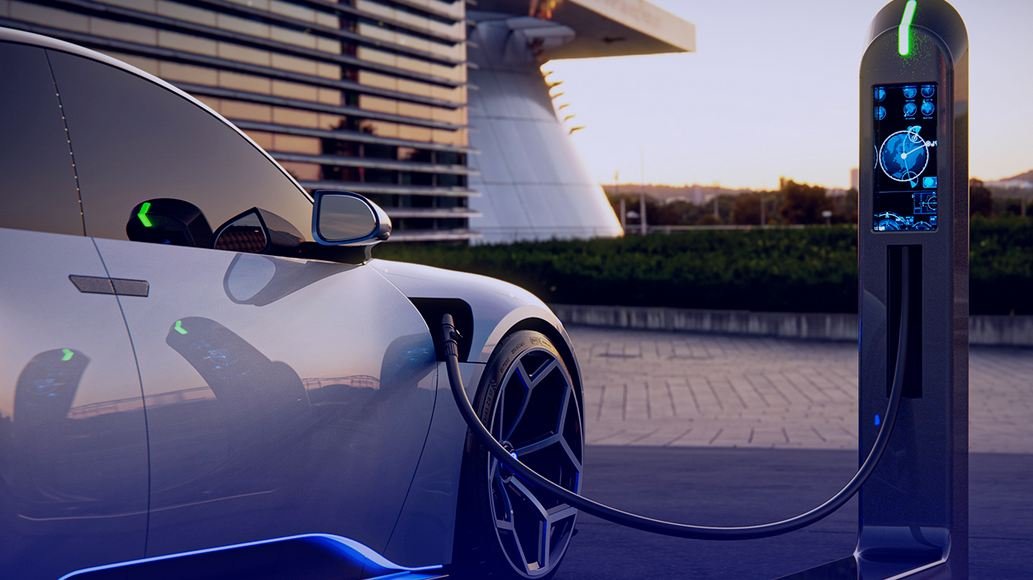
Australia’s transition to renewable energy is accelerating rapidly, driven by rising electricity prices, strong government incentives, and increasing awareness of sustainability. Alongside solar panels, battery storage systems, and inverters, electric vehicle (EV) chargers are becoming a critical component of the modern energy ecosystem.
With EV adoption in Australia expected to surge through 2026 and beyond, homeowners and businesses alike are asking:
How do EV chargers integrate with solar and energy storage systems, and what should you consider before installing one?
This guide explores how home and commercial EV charging fits into Australia’s renewable energy landscape and how to future-proof your energy investment.
Australia’s EV market is expanding faster than ever. As more affordable EV models enter the market and charging infrastructure improves, EV ownership is moving beyond early adopters to mainstream households and businesses.
Key trends shaping EV charging demand include:
As a result, EV chargers are no longer standalone devices—they are increasingly designed to work in harmony with solar panels, inverters, and battery storage systems.
One of the biggest advantages of installing an EV charger in Australia is the ability to charge using solar-generated electricity.
When paired with a solar energy system:
For households with high daytime solar production, EV charging becomes a powerful way to maximize solar self-consumption instead of exporting excess energy back to the grid at low feed-in tariffs.
Adding a home or commercial battery storage system enhances the flexibility of EV charging.
Benefits of combining EV chargers with battery storage include:
In Australia’s evolving energy market, battery-integrated EV charging is becoming a key strategy for long-term energy independence.
Inverters play a central role in connecting solar panels, batteries, and EV chargers.
When planning an integrated system, consider:
Hybrid inverters, in particular, are gaining popularity as they allow seamless coordination between solar generation, battery storage, and EV charging.
For residential users, installing an EV charger is about convenience, efficiency, and future readiness.
Important considerations include:
With the right setup, Australian homeowners can significantly lower transport energy costs while reducing carbon emissions.
Businesses across Australia are increasingly investing in commercial EV charging infrastructure.
Common applications include:
When combined with on-site solar panels and energy storage, commercial EV charging can:
As Australia moves toward a cleaner energy future, EV chargers will become as essential as solar panels and batteries.
To future-proof your system:
An integrated approach delivers the best long-term value and flexibility.
EV chargers are no longer optional add-ons—they are a vital part of Australia’s renewable energy ecosystem. Whether for homes or businesses, combining EV charging with solar panels, battery storage, and efficient inverters unlocks greater energy savings, sustainability, and independence.
As EV adoption accelerates toward 2026, now is the ideal time to plan an integrated energy solution that supports both clean power generation and clean transportation.